
Las latas de aerosol se han vuelto omnipresentes en nuestra vida diaria., entregando una fina niebla de productos que van desde desodorantes hasta pintura. El spray se envasa en una lata de aerosol en forma de líquido o gas.. Su principio de funcionamiento es convertir productos y gases licuados en estado de aerosol.. When you press the nozzle of the can, the liquid product in the aerosol can will turn into gas and be released. Próximo, we will introduce how do aerosol cans work in detail from the components to the spray principle
Aerosol can components
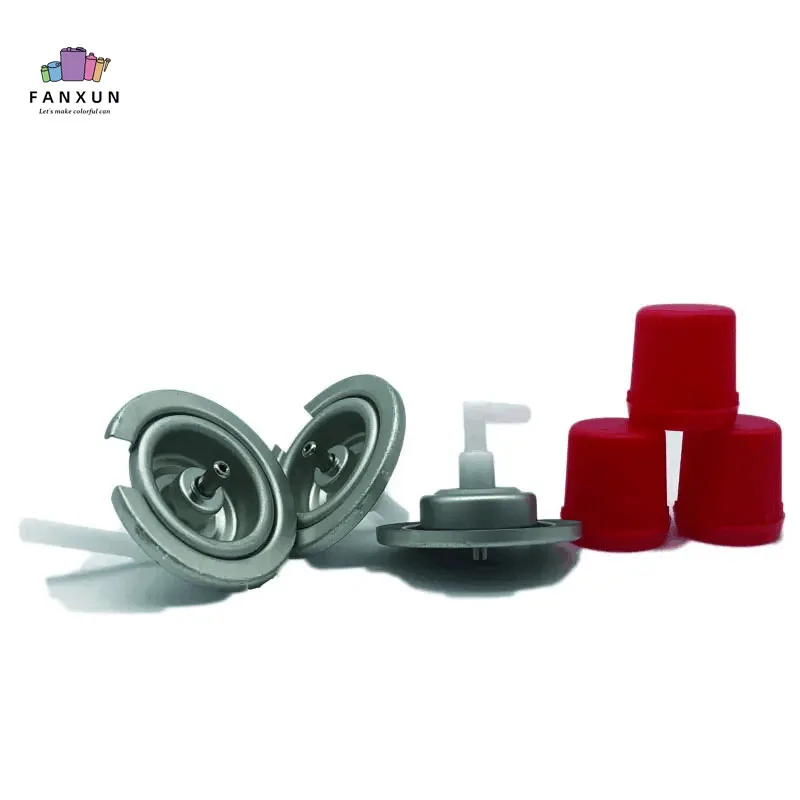
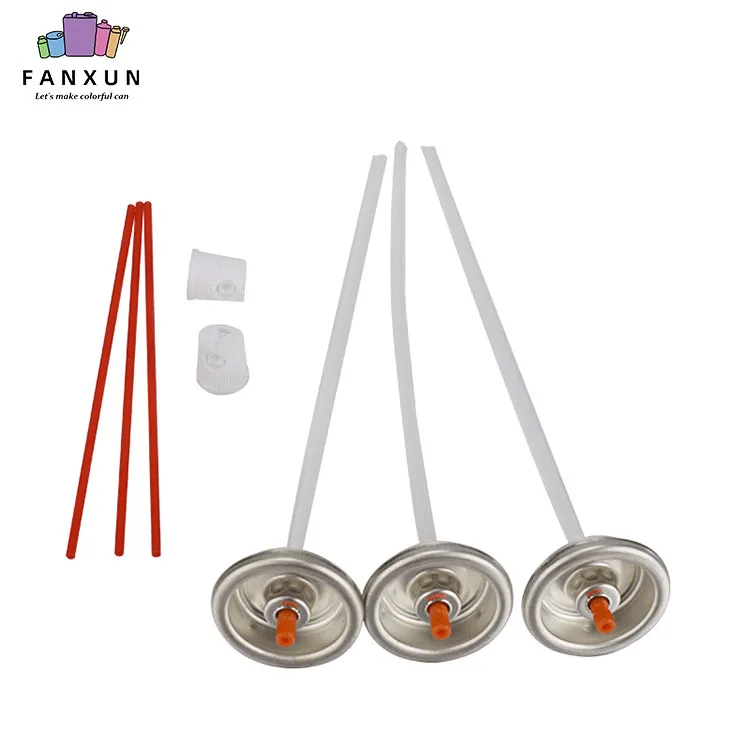
At its core, an aerosol consists of three basic components: the tank, the valve system, and the propellant. The can is usually made of steel or aluminum and serves as a sturdy container. The inner coating prevents reactions between the product and the metal. The valve system is equipped with an actuator and valve stem to control the release of product. A propellant is a compressed gas, such as hydrocarbons or nitrogen, that plays a key role in propelling the spray.
Aerosol can spray principle
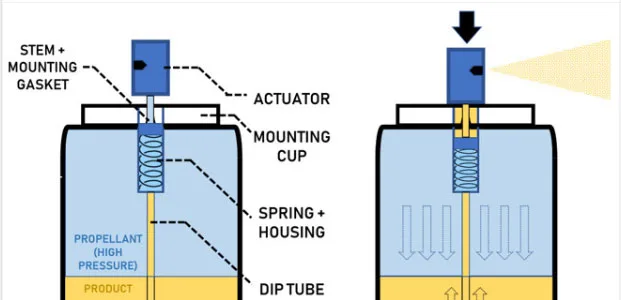
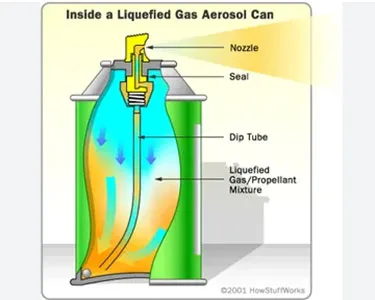
- Pressure Dynamics: The magic begins with pressure. The propellant inside the tank is in a compressed state. When the user presses the stem, the valve opens, releasing pressure. This sudden release pushes the product out of the can.
- Nozzle design: The nozzle is a small opening at the top of the valve, which determines the spray pattern. Whether it’s a concentrated stream of water, a broad mist or a gentle foam, nozzle design affects product dispersion.
- Good balance of forces: Achieving a perfect spray is the art of balancing forces. Propellant pressure, valve design and product viscosity must all work together to produce a controlled and uniform spray.
- Product formula and compatibility: The formula of the product is a key factor. It must be compatible with the tank, propellant and valve system. The viscosity of a product affects how it dispenses, so it needs to be carefully balanced to achieve the desired spray characteristics.
En conclusión
The seemingly simple behavior of aerosol spray hides a complex interplay between engineering, chemistry and design. As technology advances and environmental awareness grows, aerosol can manufacturing continues to evolve, promising a more efficient and sustainable way to deliver products in aerosol form.